AI for Managers

Kimi by Moonshot in 2026: K3, K2.6, K2.7-Code and Agents for Managers

19 min read

Can an open-source Chinese model beat the closed flagships from OpenAI and Anthropic on availability? Based on our independent testing, the new Kimi K3 (released July 16, 2026) took 2nd place out of 47 models. The only model above it is GPT-5.6 Sol, which is blocked in restricted markets – which makes Kimi K3 the strongest model available without a VPN in markets where the Western flagships are restricted.

Read more
Kimi by Moonshot in 2026: K3, K2.6, K2.7-Code and Agents for Managers
Chat Z.AI (GLM-5) in 2026: The Chinese Model That Pretends to Be Claude
25 min

Chat Z.AI (GLM-5) in 2026: The Chinese Model That Pretends to Be Claude

On February 6, 2026, an anonymous model called “Pony Alpha” showed up on OpenRouter – free, with no word on who built it. The AI community immediately started trying to work out who did. Its coding skills came close to Claude Opus 4.5. Ask it “who are you?” and it answered “I am GLM.” But ask it to build a web page describing itself, and it wrote: “I am Claude, created by Anthropic.”

That happened every single time. And it frames everything you need to know about GLM-5 before we get to benchmarks and pricing.

AI Saves Teachers 6 Hours a Week. But 97% Don't Notice
12 min

AI Saves Teachers 6 Hours a Week. But 97% Don't Notice

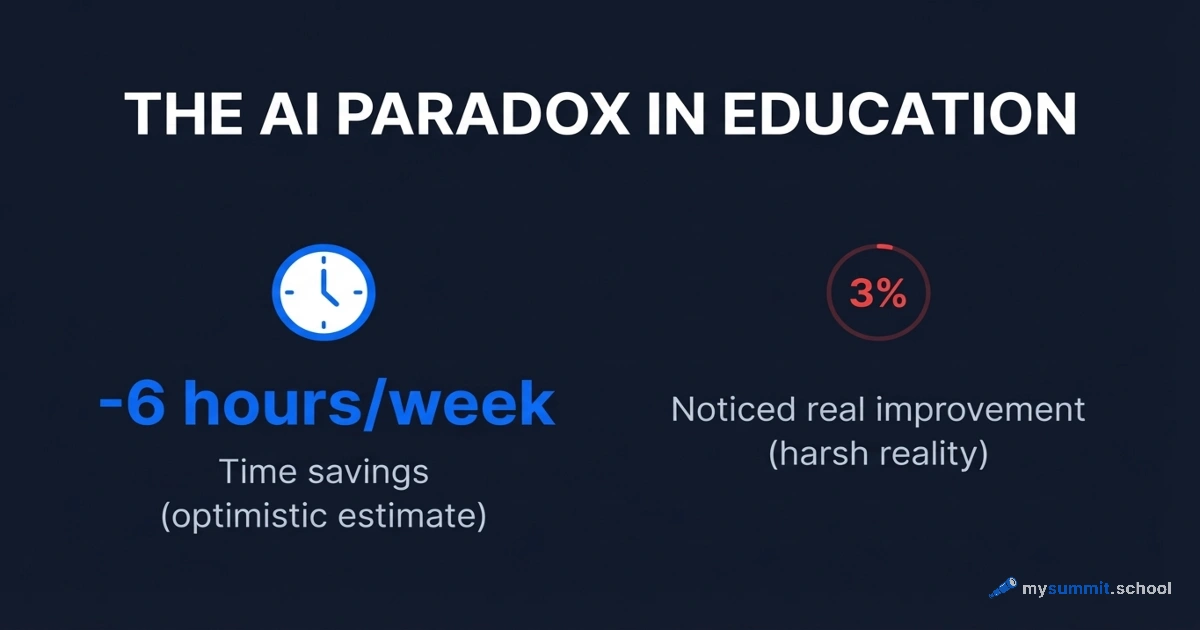
A Gallup and Walton Family Foundation survey (2024–2025, representative sample of US teachers) produced an impressive number: teachers who regularly use AI save an average of 5.9 hours per week – the equivalent of six full work weeks per school year. Sounds like a solved problem.

But a parallel Royal Society of Chemistry survey (2024, UK) paints a different picture: 44% of teachers tried AI, yet only 3% reported a real reduction in workload. A maths teacher from Ireland explained the gap more precisely than any statistic: “AI generates worksheets quickly, but they need thorough checking – and the time savings turn out smaller than expected.”

Who is right? We previously examined the AI crisis in education from the student side – 86% of students use AI, yet critical thinking is declining. Now – the instructor side. Over the past two years, enough experimental data has accumulated to answer this question with numbers, not opinions.

Qwen by Alibaba in 2026: Open Weights Are Back at the Top
31 min

Qwen by Alibaba in 2026: Open Weights Are Back at the Top

While managers pay for ChatGPT Plus and Claude Pro, Alibaba has built one of the largest AI ecosystems in the world – a free chat app, open models and API prices that undercut the competition several times over. Qwen (pronounced “chwen”, from 通义千问 – “A Thousand Questions”) had overtaken every Western rival in downloads by mid-2026 and became a tool every manager should know. In the spring it looked as if the ecosystem was drifting toward the OpenAI and Anthropic playbook: the 3.7 flagships shipped closed, and key developers walked out. In August, Alibaba released three models and turned back. The flagship Qwen3.8-Max comes with a promise of open weights, and Qwen3.8-27B, under Apache 2.0, runs on a single consumer GPU.

AI Doesn't Make You Dumber. It's About How You Use It
9 min

AI Doesn't Make You Dumber. It's About How You Use It

A year and a half ago, I wrote a note on my personal blog about something I was noticing in my colleagues’ work and in my own: the more you trust AI, the less often you ask yourself “is this actually right?” I was drawing on a Microsoft study at the time – it showed that trust in AI suppresses critical evaluation of the answers it produces. The argument felt strong to me, but it had an obvious flaw: correlation, not causation.

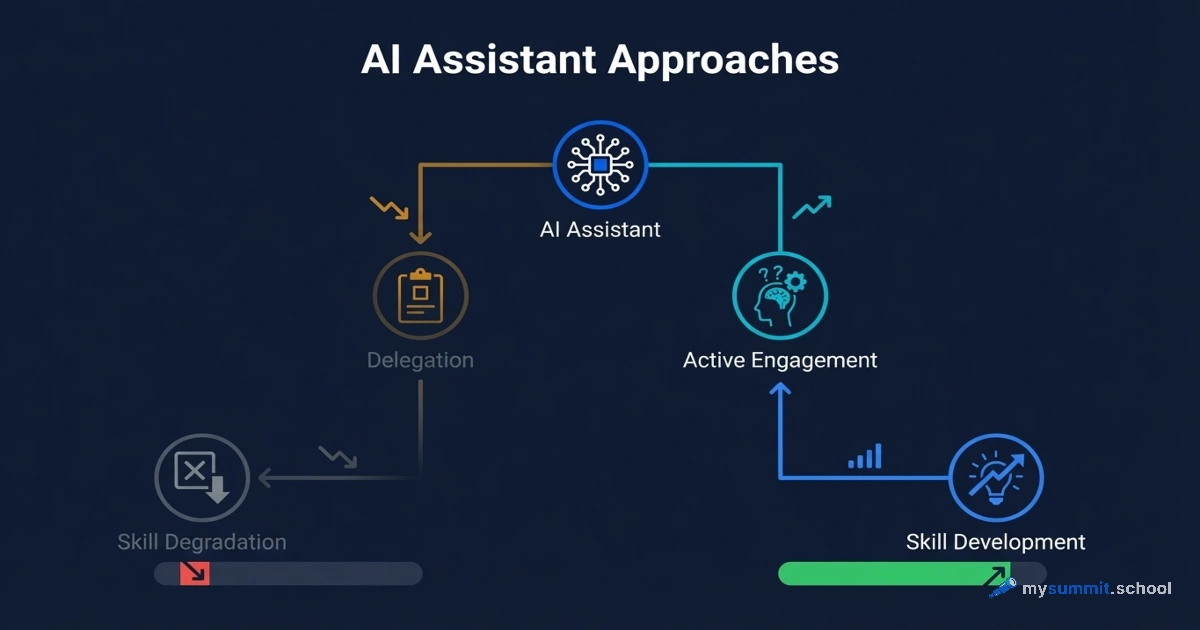
In February 2026, Anthropic researchers Judy Shen and Alex Tamkin published an experiment that closed that gap. Randomized control. Concrete data. And a conclusion that, I think, most people who’ve read about it have misunderstood.

Because this isn’t a story about AI making us dumber. It’s a story about how exactly we use it.