AI in Education

When AI Hurts Learning – and When It Doubles Results

10 min read

In March 2025 at SXSW EDU, strategic foresight advisor Sinead Bovell delivered a talk on AI and the future of education. No hype, no panic. But with two studies that change how you should think about AI’s role in learning.

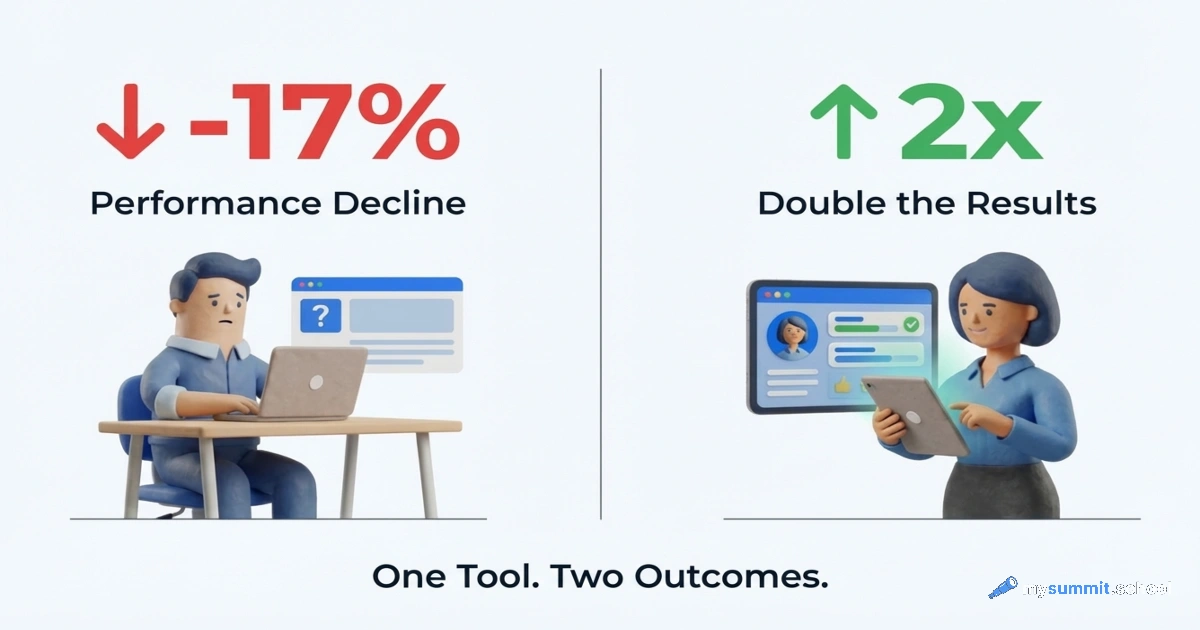
First: a group of students who used ChatGPT without restrictions scored 17% worse than the control group working from a textbook. Second: a different group, where AI was deployed within a fully redesigned instructional system, outperformed a traditional lecture by a factor of two.

Same tool. Opposite outcomes. The difference is in the approach.

Read more
When AI Hurts Learning – and When It Doubles Results
AI Saves Teachers 6 Hours a Week. But 97% Don't Notice
12 min

AI Saves Teachers 6 Hours a Week. But 97% Don't Notice

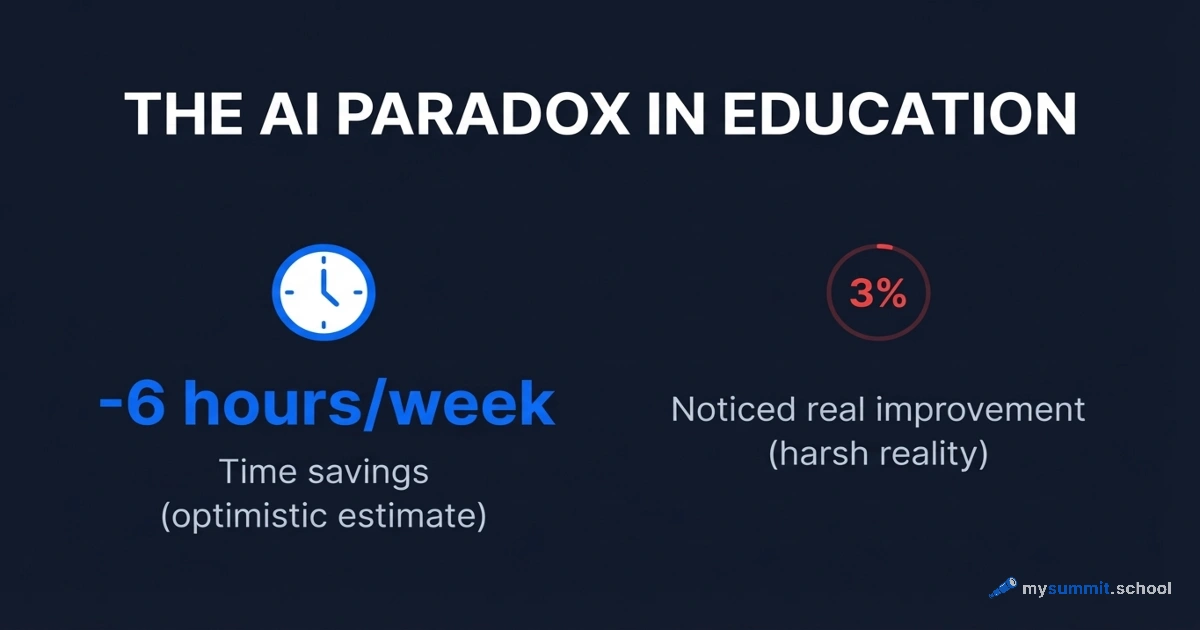
A Gallup and Walton Family Foundation survey (2024–2025, representative sample of US teachers) produced an impressive number: teachers who regularly use AI save an average of 5.9 hours per week – the equivalent of six full work weeks per school year. Sounds like a solved problem.

But a parallel Royal Society of Chemistry survey (2024, UK) paints a different picture: 44% of teachers tried AI, yet only 3% reported a real reduction in workload. A maths teacher from Ireland explained the gap more precisely than any statistic: “AI generates worksheets quickly, but they need thorough checking – and the time savings turn out smaller than expected.”

Who is right? We previously examined the AI crisis in education from the student side – 86% of students use AI, yet critical thinking is declining. Now – the instructor side. Over the past two years, enough experimental data has accumulated to answer this question with numbers, not opinions.

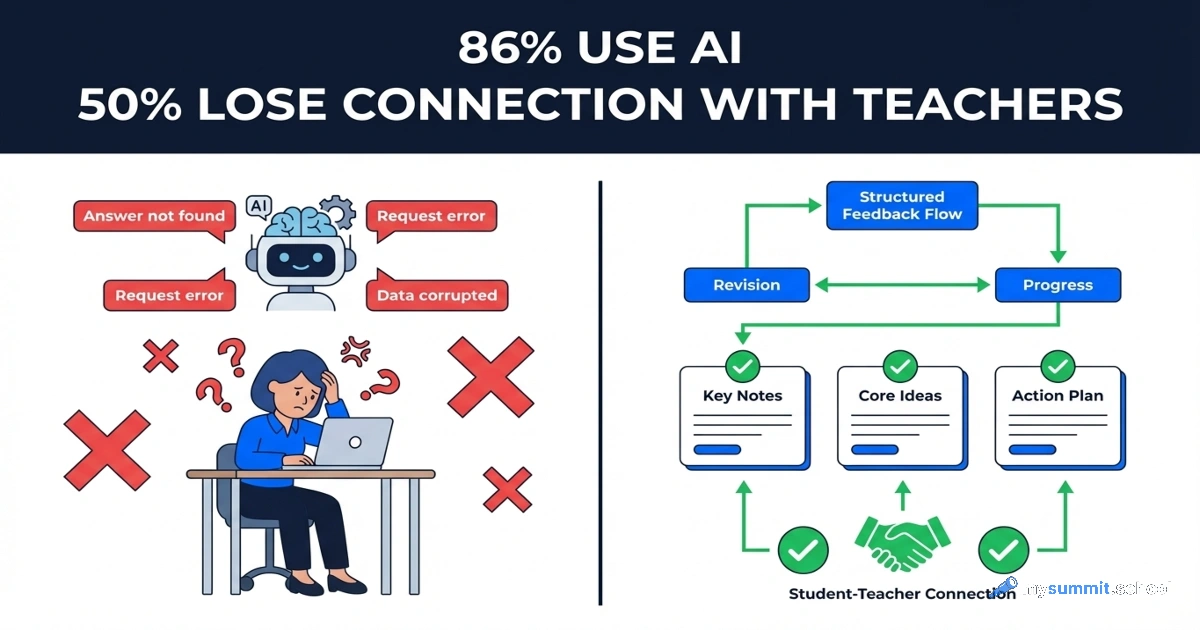
86% of Students Use AI, But Are Getting Worse. One Experiment Changed Everything
16 min

86% of Students Use AI, But Are Getting Worse. One Experiment Changed Everything

Traditional approaches to education are breaking down. AI writes essays and papers in minutes – and that has permanently changed the purpose of creative assignments in schools. Banning neural networks doesn’t work, and isolating students from technology is a dead end. The question is not whether to use AI. The question is how to use it so the technology develops students’ skills rather than replacing their thinking.