Productivity

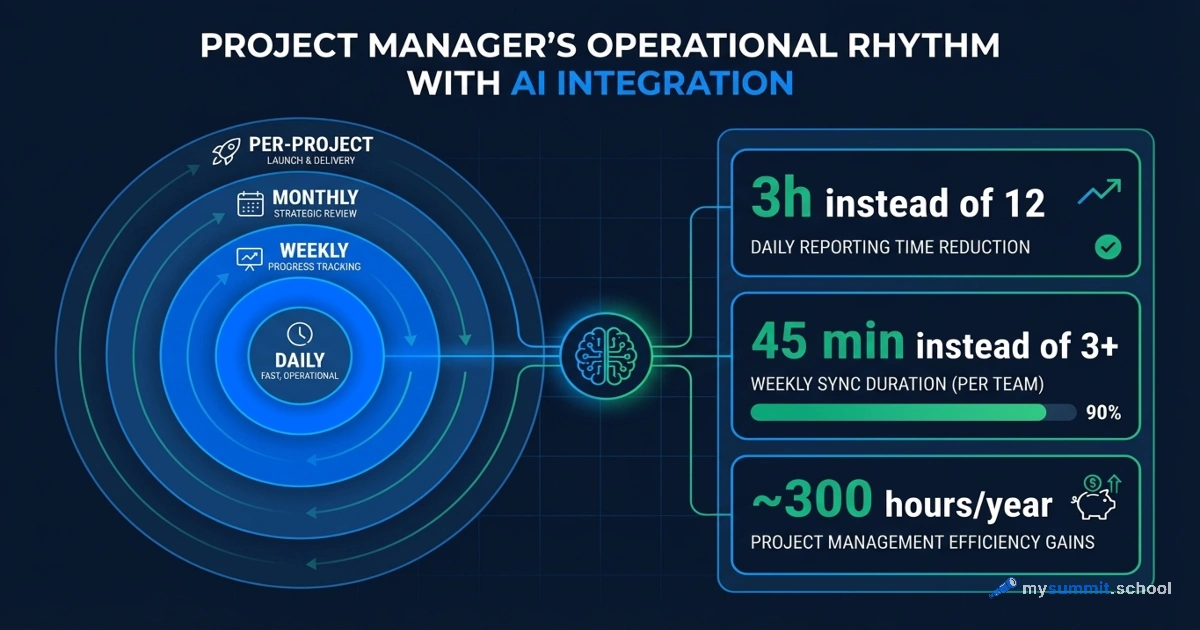
AI and Project Rhythm: How a Manager Can Free Up 300 Hours a Year

14 min read

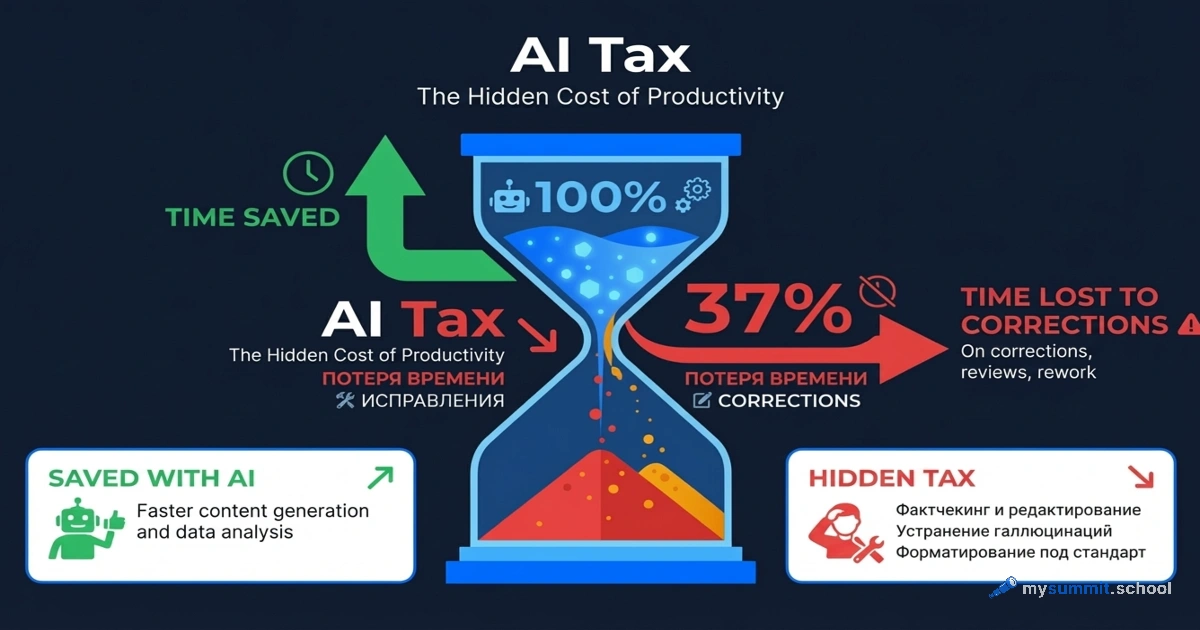
Twelve hours a week. That’s how much time a typical project manager spends on reports, plan updates, stakeholder correspondence, and risk tracking. Nearly a third of their working time goes not to making decisions, but to documenting them.

With AI, that time drops to three hours. But only under one condition: AI must be embedded in the operational rhythm of work, not used episodically – “when you remember.”

Read more
AI and Project Rhythm: How a Manager Can Free Up 300 Hours a Year
AI Doesn't Make You Dumber. It's About How You Use It
9 min

AI Doesn't Make You Dumber. It's About How You Use It

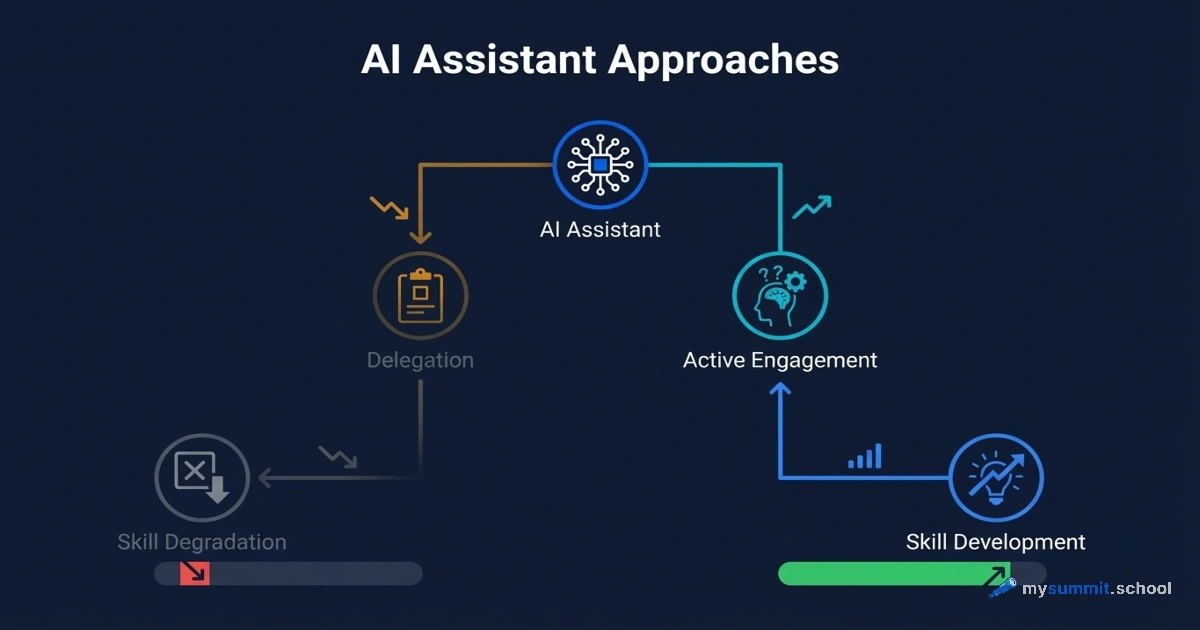
A year and a half ago, I wrote a note on my personal blog about something I was noticing in my colleagues’ work and in my own: the more you trust AI, the less often you ask yourself “is this actually right?” I was drawing on a Microsoft study at the time – it showed that trust in AI suppresses critical evaluation of the answers it produces. The argument felt strong to me, but it had an obvious flaw: correlation, not causation.

In February 2026, Anthropic researchers Judy Shen and Alex Tamkin published an experiment that closed that gap. Randomized control. Concrete data. And a conclusion that, I think, most people who’ve read about it have misunderstood.

Because this isn’t a story about AI making us dumber. It’s a story about how exactly we use it.

AI Doesn't Save Time – It Compresses It: 8 Months of Observations
11 min

AI Doesn't Save Time – It Compresses It: 8 Months of Observations

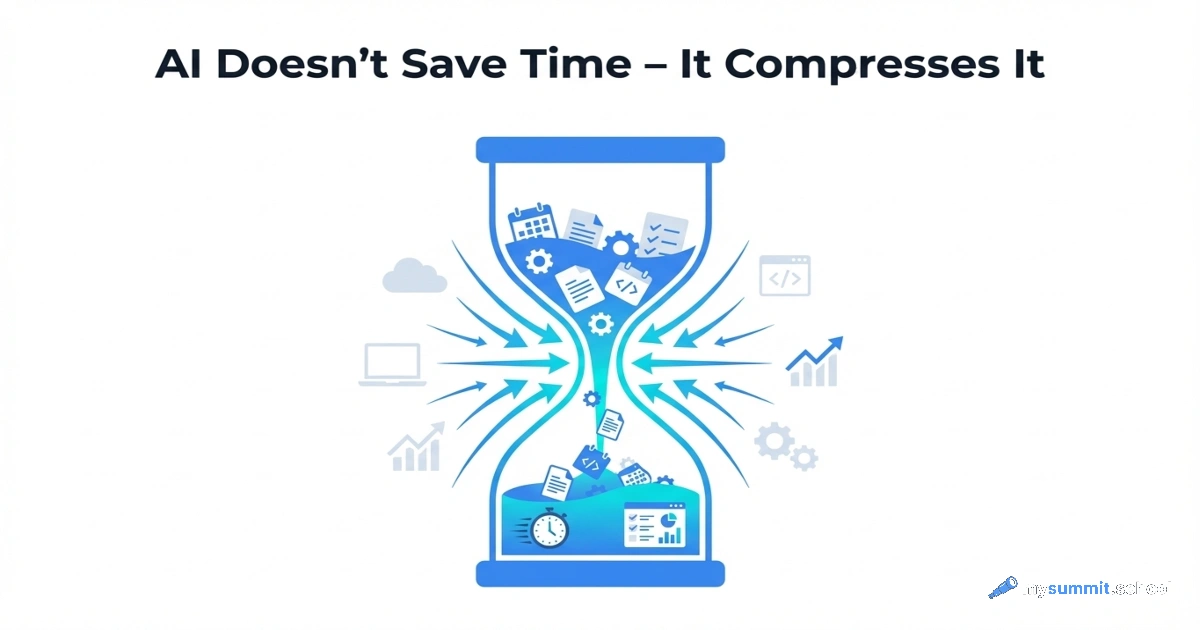
Companies are worried about getting employees to use AI. The promise is seductive: AI will handle the drudgery – document drafts, information summarisation, code debugging – freeing up time for higher-value work.

But are companies ready for what happens if they actually succeed?

Researchers at Stanford conducted an 8-month observational study of roughly 200 employees at an American tech company that had rolled out generative AI. The company didn’t mandate AI use – it simply provided corporate subscriptions to commercial tools. Employees decided for themselves whether to adopt them.

The result was paradoxical. AI didn’t reduce work. It intensified it. Workers moved faster, took on more tasks, spread their work across more hours in the day – often without any explicit external pressure. AI made “doing more” possible, accessible, and in many cases internally rewarding.

Strikingly, the same pattern shows up in other research. Microsoft found that 62% of product managers use Gen AI daily, yet while 81% say AI saves time, 56% deny that effort has decreased. A paradox? No – a pattern.

6,600 Commits in a Month: Workflow Lessons from the Creator of OpenClaw
16 min

6,600 Commits in a Month: Workflow Lessons from the Creator of OpenClaw

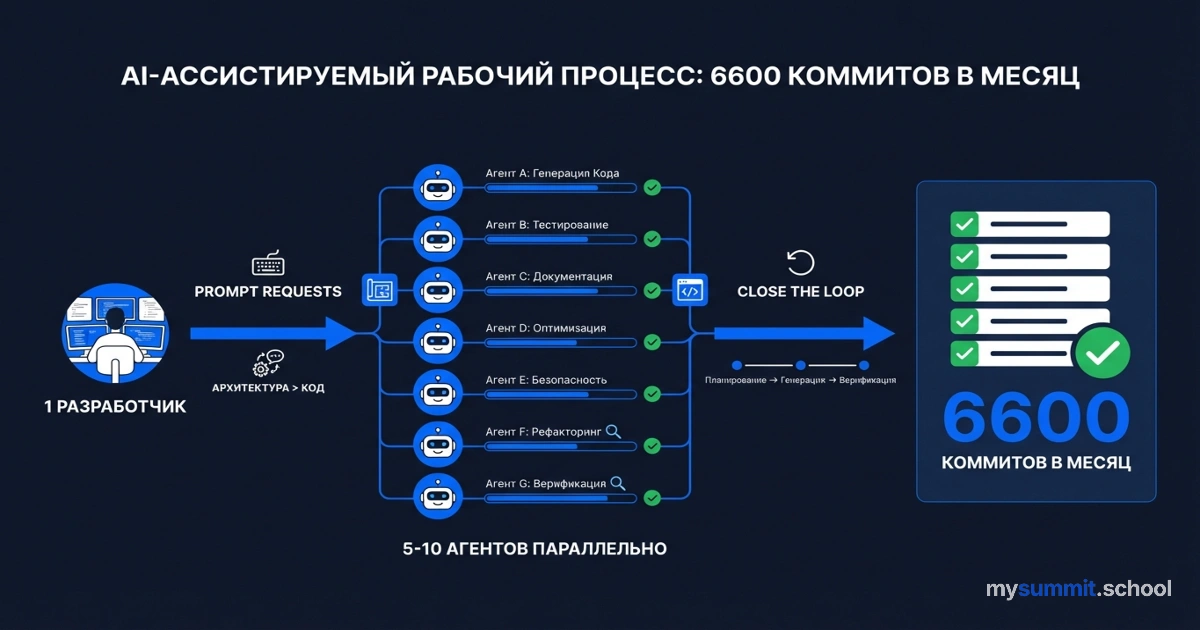
One developer. 6,600 commits. One month.

More than most teams ship in a quarter. More than many startups produce in half a year. This is not a marketing metric – it is the real-world productivity of Peter Steinberger, creator of OpenClaw (formerly known as clawdbot), one of the most viral AI projects of January 2026.

Steinberger describes the project plainly: “It’s not a company – it’s one guy sitting at home enjoying the process.” After a successful exit from PSPDFKit, he could have taken a break. Instead, he is building an AI assistant that manages his calendar, sends emails, and checks him in for flights. “AI that actually gets things done” – that is how he articulates the project’s mission.

How can one person work like an entire company? What skills are critical when working with AI agents? Why does experience managing a team of 70+ people turn out to be the key to AI-driven productivity? And how does an engineer’s focus shift – from writing code to designing architecture?

Let us examine the actionable lessons from Peter Steinberger’s workflow – applicable to any AI-assisted project, even if you never install OpenClaw itself.