Prompt Engineering

GigaChat at Work: Getting the Most Out of Russia's Sovereign AI

21 min read

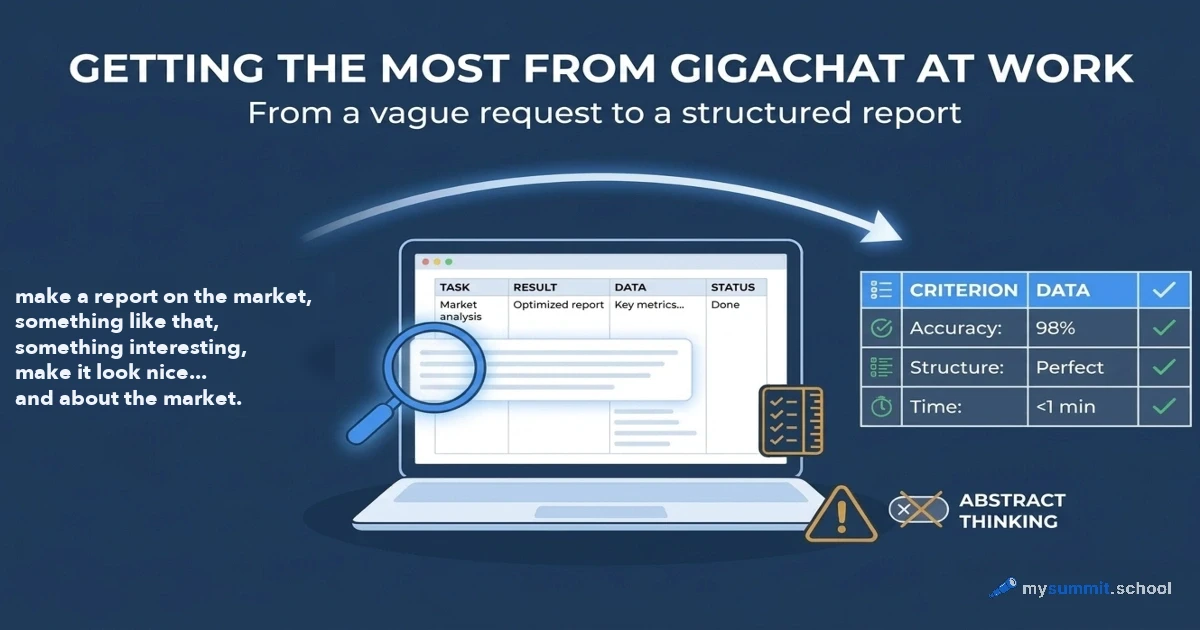
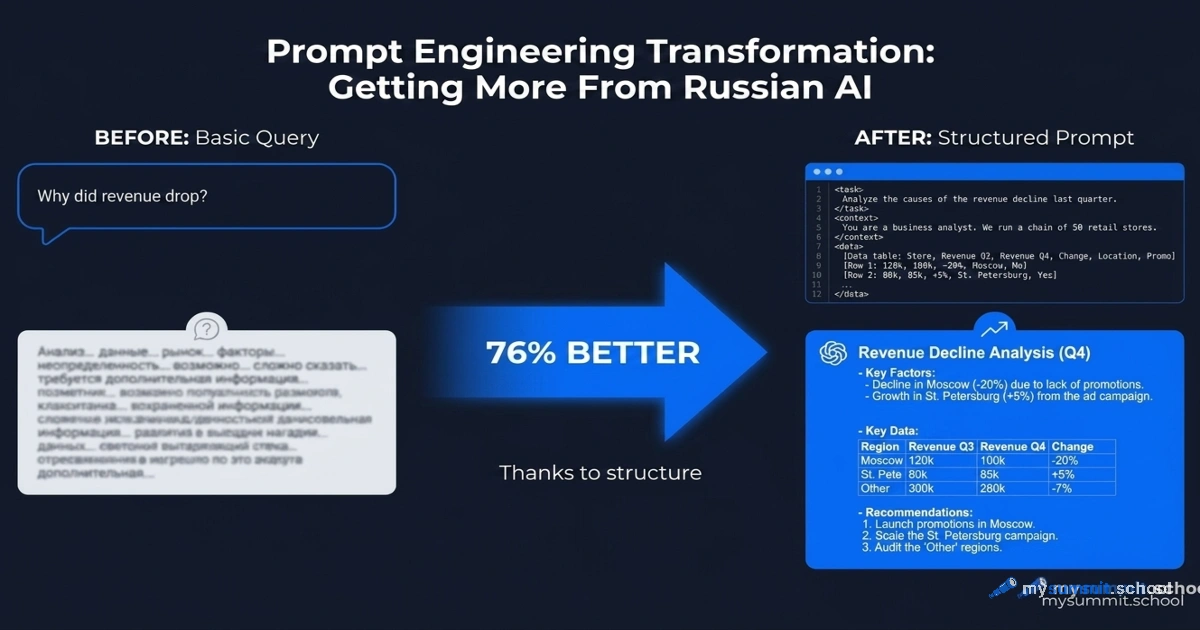
GigaChat is the large language model built by Sber, Russia’s largest bank. Outside Russia almost nobody uses it. Inside, it is often the only option: banks, state agencies, defense contractors and big industrial groups run it on their own servers because Russian data-localization rules and sanctions keep ChatGPT, Claude and Gemini off the table. If you work with a Russian team, a Russian subsidiary or a client in a regulated Russian industry, this is the tool on their desk.

This guide was written for those daily users, and it reads that way: the examples are Russian contracts, Russian laws, Russian prices. For anyone else it is a useful case study in a broader problem – how to get decent work out of a “sovereign” or on-premise model that trails the frontier, because policy rather than quality decided you would use it.

Read more
GigaChat at Work: Getting the Most Out of Russia's Sovereign AI
How to Get the Most Out of YandexGPT: What Works and What Doesn't
13 min

How to Get the Most Out of YandexGPT: What Works and What Doesn't

Millions of people in Russia use Alice every day – not because they choose to, but because it’s free, built into Yandex Browser, and works without a VPN. YandexGPT, the model under Alice’s hood, is the best Russian model in our benchmark, but it’s still a long way behind GPT-5.4.

Can you get answers from it that come close to GPT, if you learn how to ask the right way? We tested exactly that in an experiment: ten prompting techniques, six management tasks, two independent LLM judges. The short answer: yes, you can – but not every technique works, and some make things worse.

Below are the concrete templates you can copy into the chat right now, and the anti-patterns to steer clear of.