Research

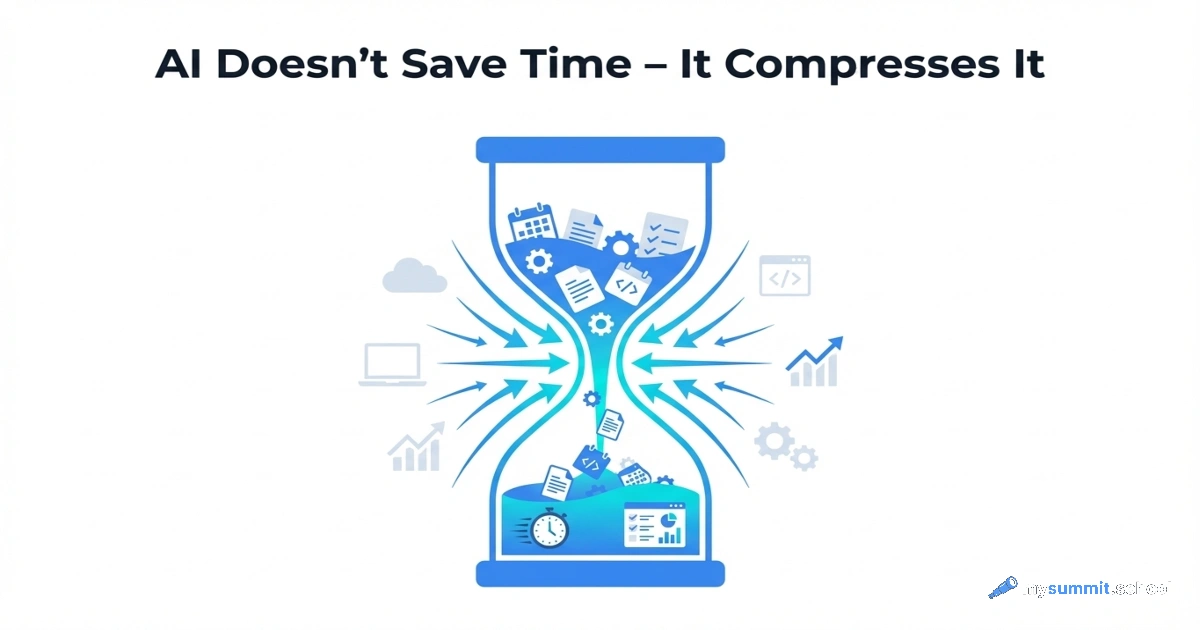
AI Doesn't Save Time – It Compresses It: 8 Months of Observations

11 min read

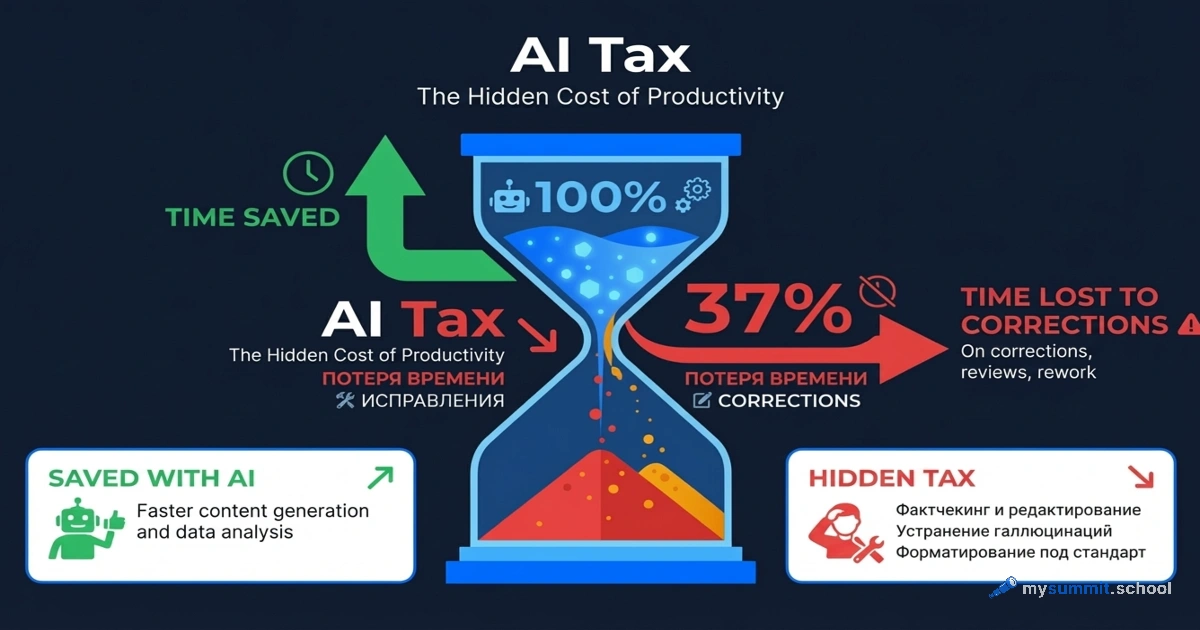
Companies are worried about getting employees to use AI. The promise is seductive: AI will handle the drudgery – document drafts, information summarisation, code debugging – freeing up time for higher-value work.

But are companies ready for what happens if they actually succeed?

Researchers at Stanford conducted an 8-month observational study of roughly 200 employees at an American tech company that had rolled out generative AI. The company didn’t mandate AI use – it simply provided corporate subscriptions to commercial tools. Employees decided for themselves whether to adopt them.

The result was paradoxical. AI didn’t reduce work. It intensified it. Workers moved faster, took on more tasks, spread their work across more hours in the day – often without any explicit external pressure. AI made “doing more” possible, accessible, and in many cases internally rewarding.

Strikingly, the same pattern shows up in other research. Microsoft found that 62% of product managers use Gen AI daily, yet while 81% say AI saves time, 56% deny that effort has decreased. A paradox? No – a pattern.

Read more
AI Doesn't Save Time – It Compresses It: 8 Months of Observations
33 AI Models for Managers: Why We Need Your Ratings
11 min

33 AI Models for Managers: Why We Need Your Ratings

Over the past year, 33 new AI models have appeared on the market, each claiming the title of “best manager’s assistant.” ChatGPT updated to GPT-5.2, Claude released Opus 4.5, Gemini added a new Pro version, Yandex and Sber announced further improvements, and Chinese models went OpenSource. How do you choose a tool when every one of them promises a productivity revolution? We decided to run a large-scale comparative study – but ran into a problem that may seem paradoxical.

86% of Students Use AI, But Are Getting Worse. One Experiment Changed Everything
16 min

86% of Students Use AI, But Are Getting Worse. One Experiment Changed Everything

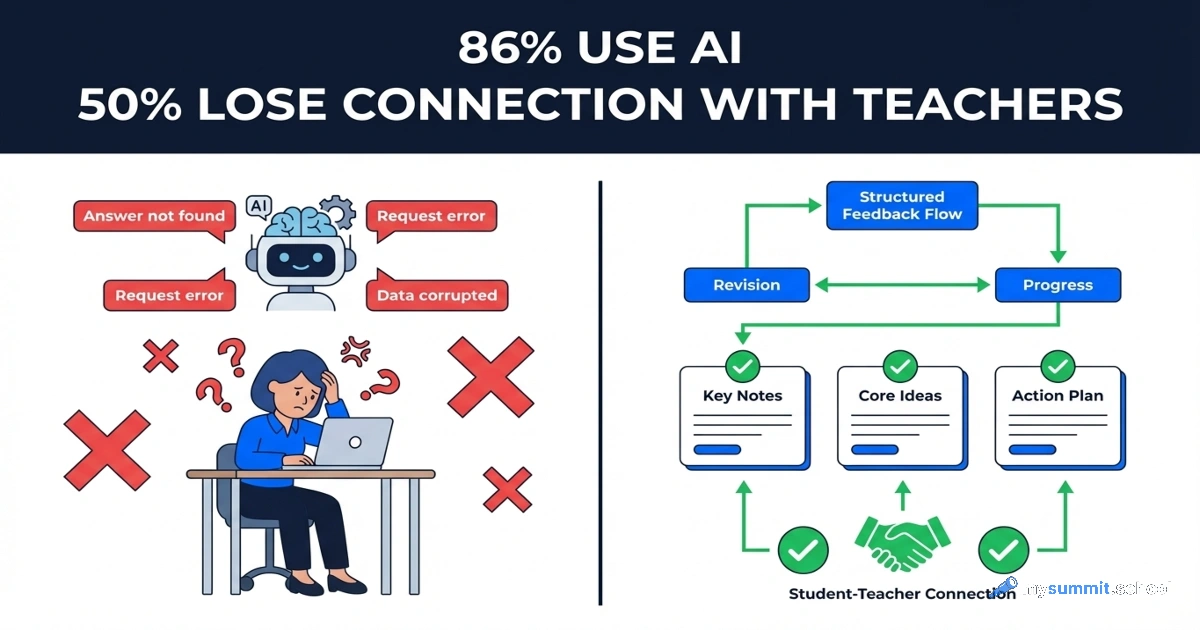
Traditional approaches to education are breaking down. AI writes essays and papers in minutes – and that has permanently changed the purpose of creative assignments in schools. Banning neural networks doesn’t work, and isolating students from technology is a dead end. The question is not whether to use AI. The question is how to use it so the technology develops students’ skills rather than replacing their thinking.

45% of Americans Use AI Annually: Gallup 2025 Data and What Changed in a Year
12 min

45% of Americans Use AI Annually: Gallup 2025 Data and What Changed in a Year

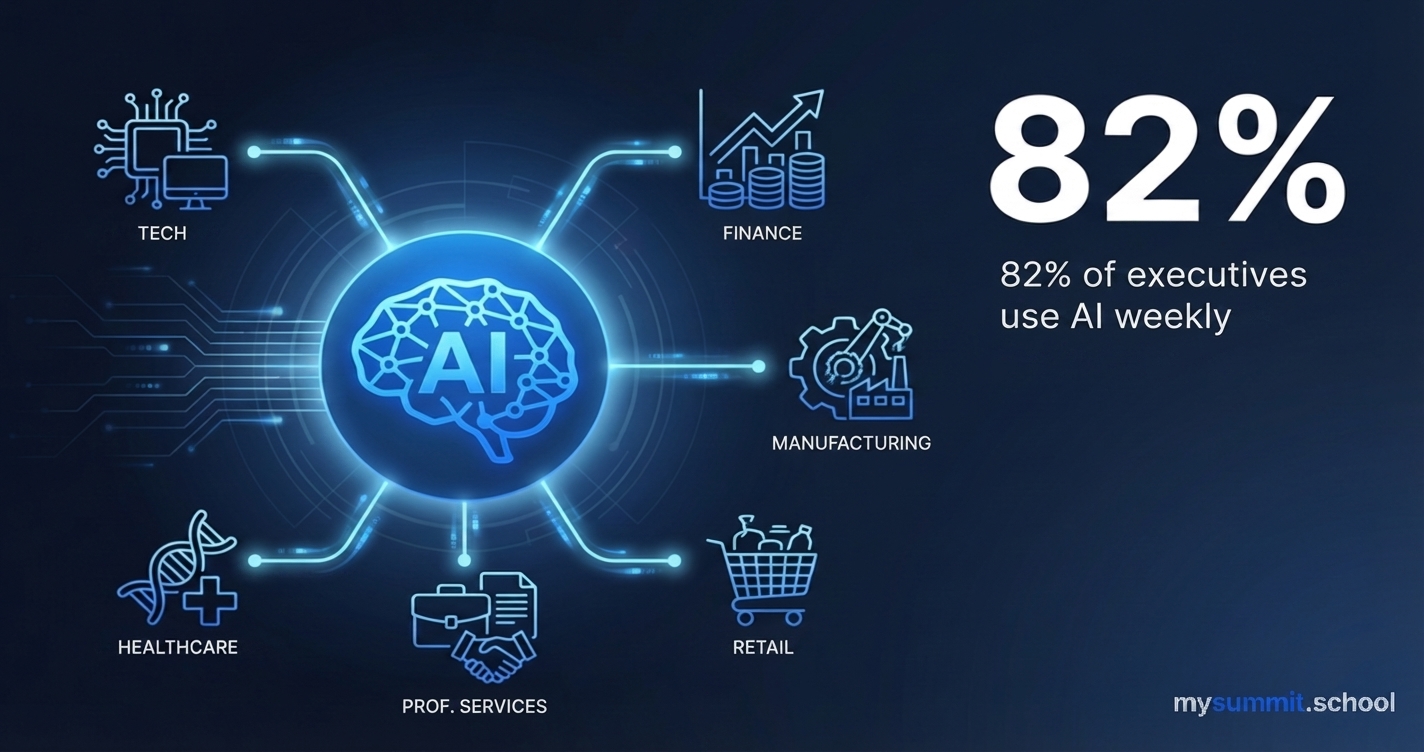
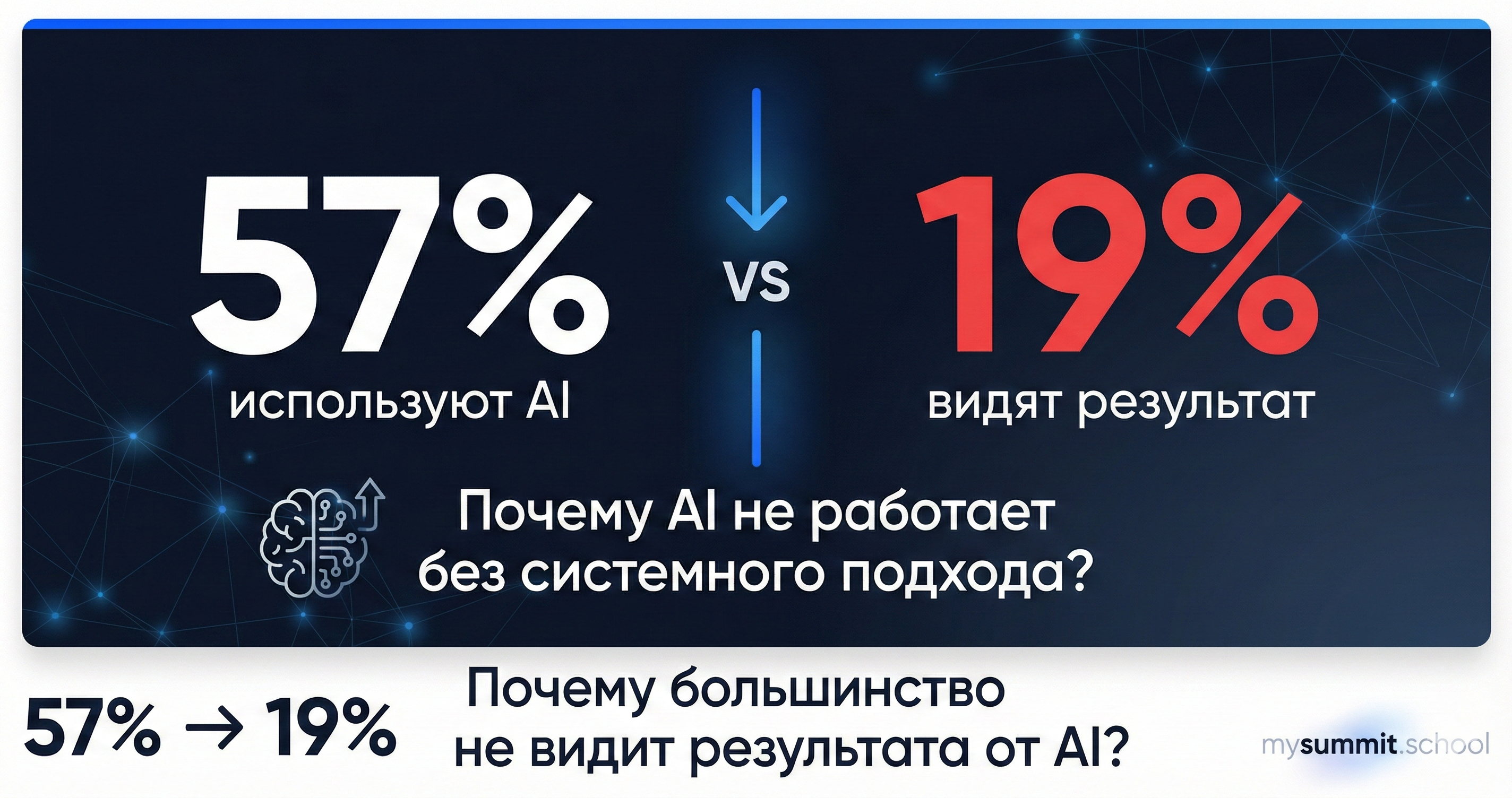
Gallup – one of the oldest polling organizations in the US – has released fresh data on how Americans used artificial intelligence in 2025. We’ve already covered Stanford (37% personal use), Brookings (57% use AI, but only 19% see results), and Wharton (82% of executives use it weekly). Now we have Gallup’s numbers – and they point to an important trend: usage is growing, but more slowly than the hype suggests.