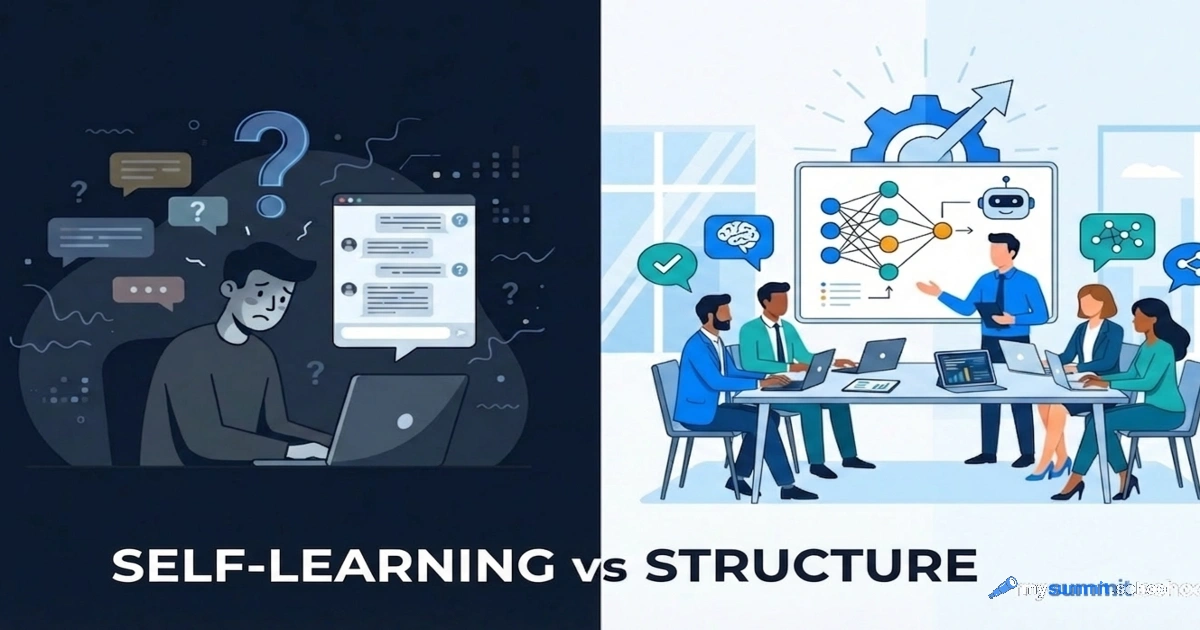
Soft Skills

When AI Hurts Learning – and When It Doubles Results

10 min read

In March 2025 at SXSW EDU, strategic foresight advisor Sinead Bovell delivered a talk on AI and the future of education. No hype, no panic. But with two studies that change how you should think about AI’s role in learning.

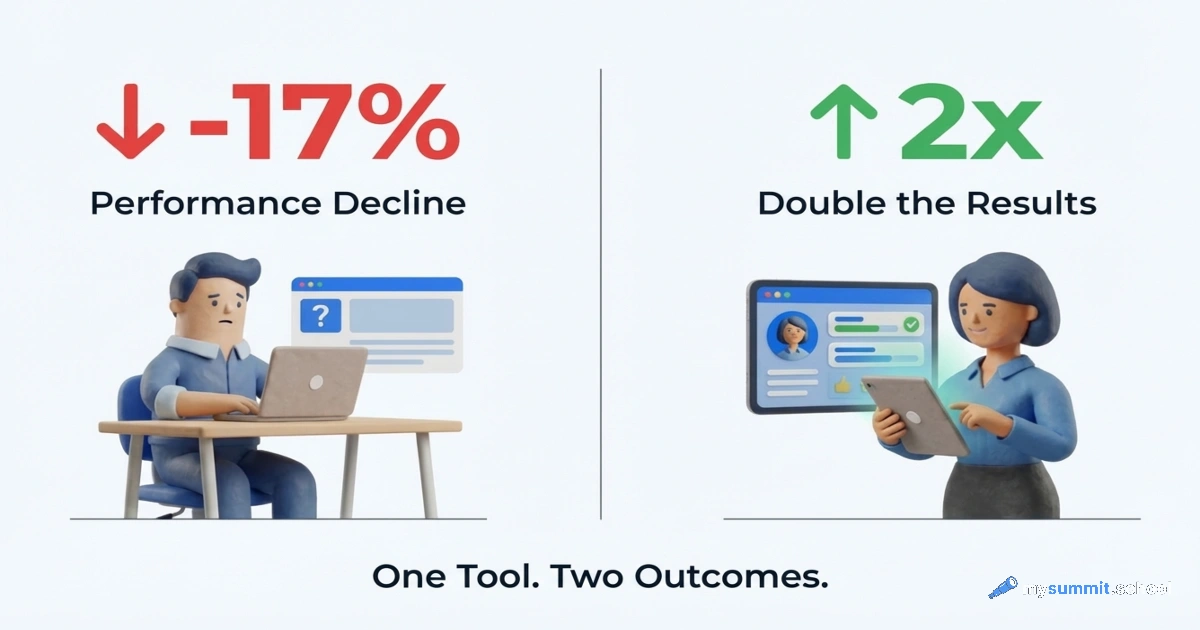
First: a group of students who used ChatGPT without restrictions scored 17% worse than the control group working from a textbook. Second: a different group, where AI was deployed within a fully redesigned instructional system, outperformed a traditional lecture by a factor of two.

Same tool. Opposite outcomes. The difference is in the approach.

Read more
When AI Hurts Learning – and When It Doubles Results
AI Doesn't Make You Dumber. It's About How You Use It
9 min

AI Doesn't Make You Dumber. It's About How You Use It

A year and a half ago, I wrote a note on my personal blog about something I was noticing in my colleagues’ work and in my own: the more you trust AI, the less often you ask yourself “is this actually right?” I was drawing on a Microsoft study at the time – it showed that trust in AI suppresses critical evaluation of the answers it produces. The argument felt strong to me, but it had an obvious flaw: correlation, not causation.

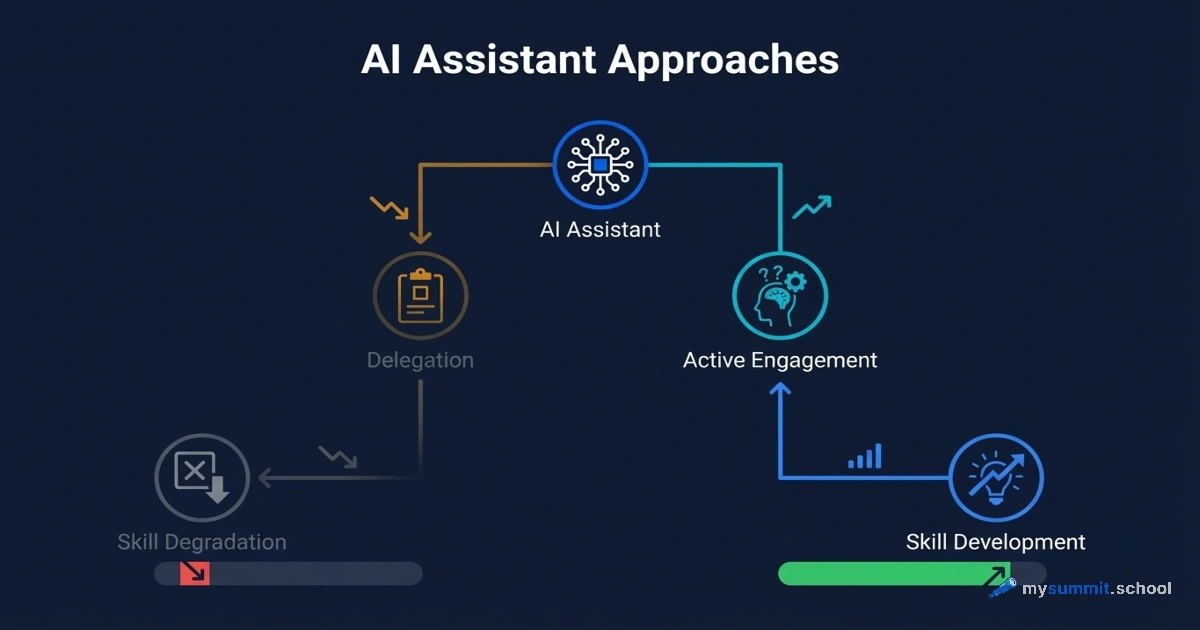
In February 2026, Anthropic researchers Judy Shen and Alex Tamkin published an experiment that closed that gap. Randomized control. Concrete data. And a conclusion that, I think, most people who’ve read about it have misunderstood.

Because this isn’t a story about AI making us dumber. It’s a story about how exactly we use it.

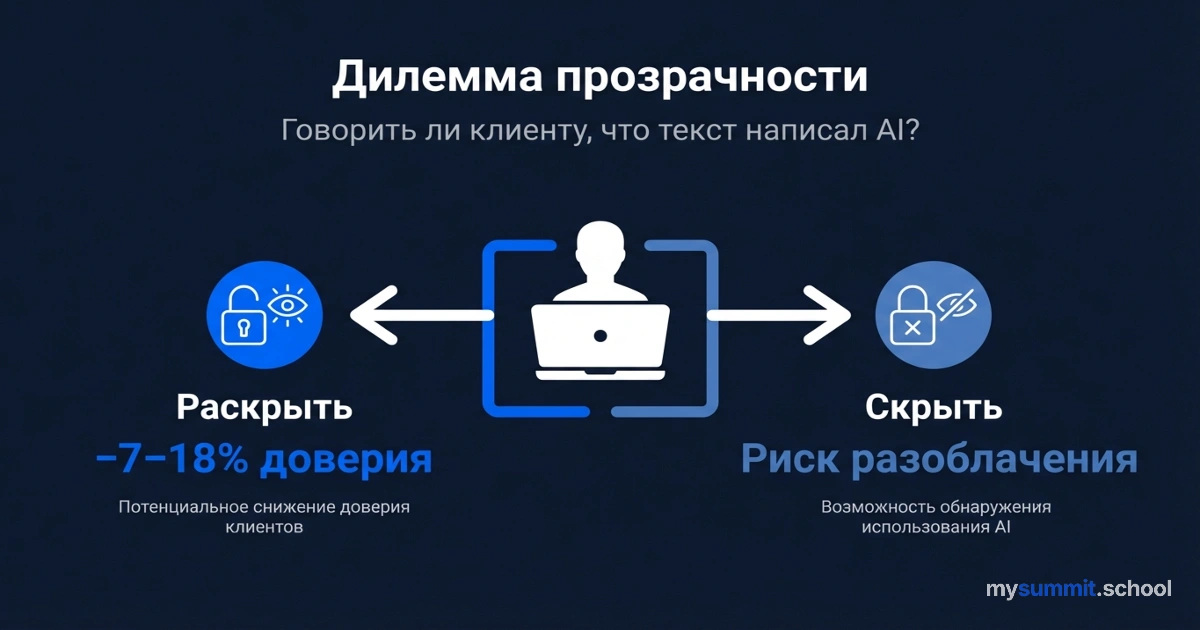
The Transparency Dilemma: Should You Tell Clients the Text Was Written by AI?
15 min

The Transparency Dilemma: Should You Tell Clients the Text Was Written by AI?

You’ve written the perfect client email. The tone is spot-on, the arguments flow, there’s even a well-placed joke. One problem: you didn’t write it. Claude did. Or ChatGPT. Or Gemini – doesn’t matter.

Now the question: do you tell the client?

Instinct says: “Of course not. Who cares how it was written if it’s written well?” Corporate ethics whispers: “You should be transparent.” And the science says something unexpected: both options erode trust – but in different ways and with different consequences.