Tools

Coding Agents in 2026: Two Form Factors – Terminal and Desktop

28 min read

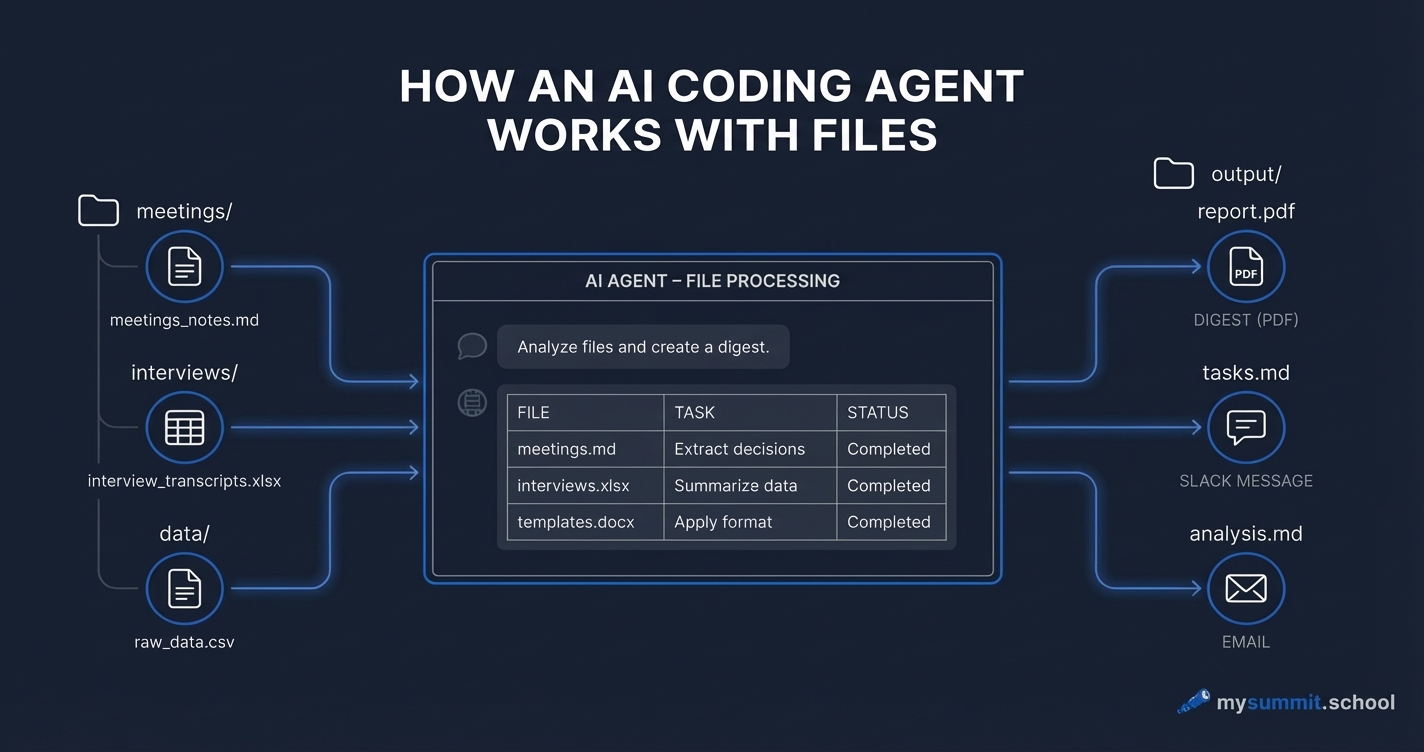
By September 2026, every model vendor had shipped a coding agent: Anthropic, OpenAI, Google, Microsoft, xAI, DeepSeek, Moonshot, Alibaba, Z.ai, Tencent. By mid-year, Claude Code, Cursor, Codex and Antigravity had converged on the same agentic loop: the program reads files, edits them, runs commands, checks the result and reports back. What still differs is packaging, pricing and ecosystem – which is why an alphabetical list of a dozen names tells you nothing.

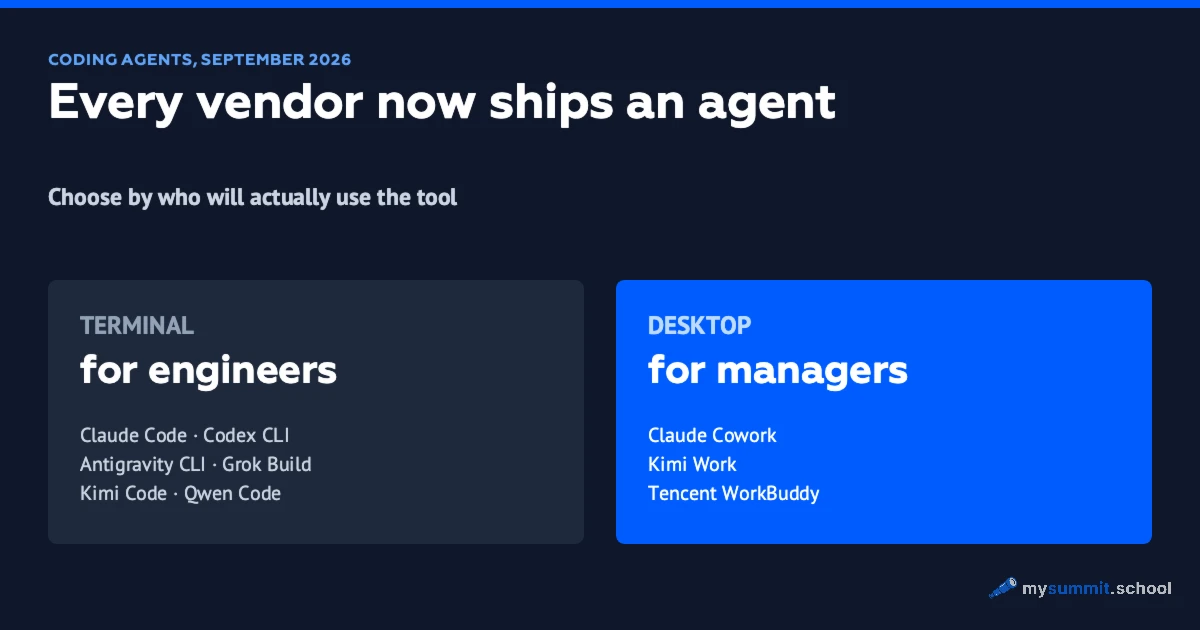
The split that actually helps is form factor. The terminal is home to agents for engineers: Claude Code, Codex CLI, Antigravity CLI, Grok Build, Kimi Code CLI, Qwen Code. Managers don’t work there, but they pay for these tools – and they need to understand what they are paying for. The desktop is home to agents for office work: Claude Cowork, Copilot Cowork, Kimi Work, Tencent WorkBuddy. These are built for the manager and their team: HR, operations, admin, projects, sales. Sort files, assemble a report, process receipts, clean up spreadsheets.

Read more
Coding Agents in 2026: Two Form Factors – Terminal and Desktop
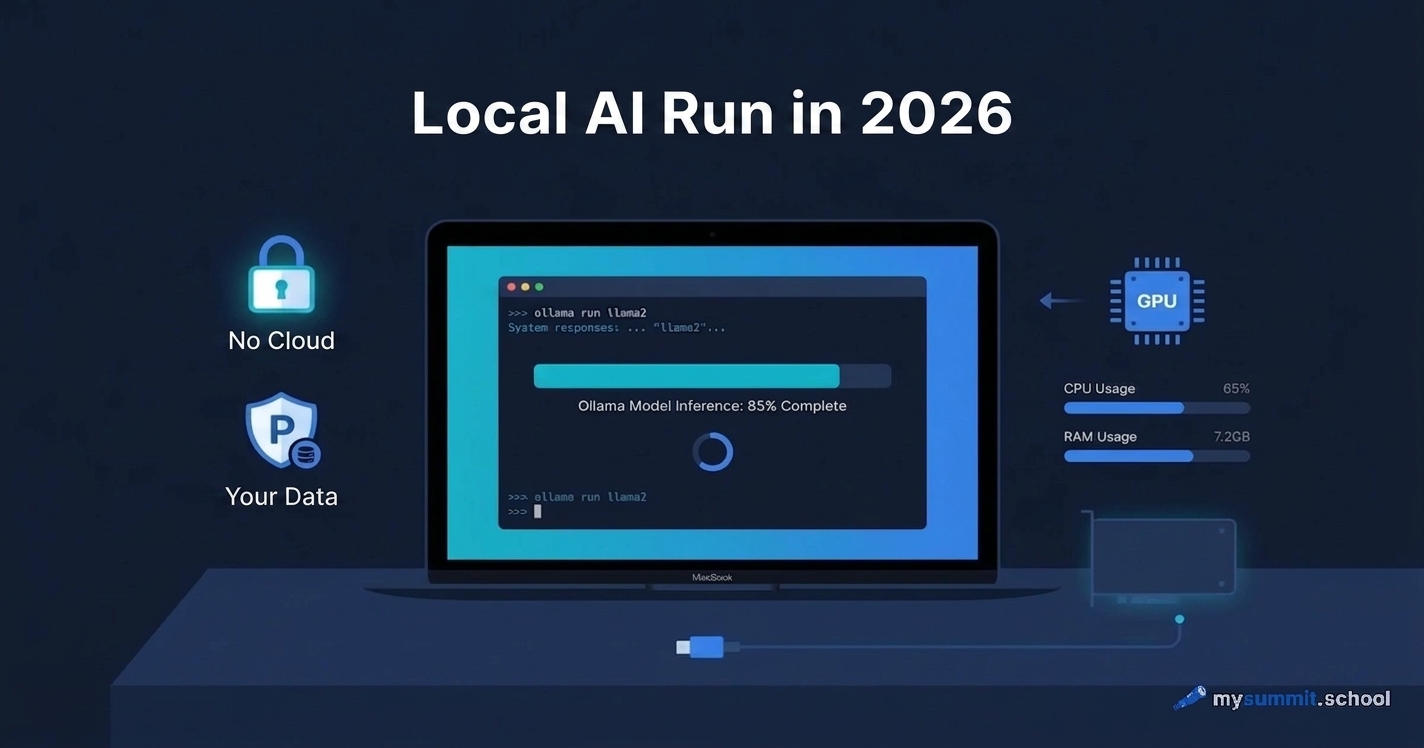
Local LLMs for Managers: What You Can Actually Run at Home
22 min

Local LLMs for Managers: What You Can Actually Run at Home

Anyone who has spent enough time with ChatGPT or Claude eventually asks the question: can I run something similar right on my own laptop – without a subscription, without data leaving the machine, without depending on someone else’s servers?

In 2026, the answer is yes – but the caveats matter more than the answer.

This article is for people already using cloud LLMs who want to understand what local execution actually gives you, what hardware you need, and where expectations break down. No deep technical dive, but concrete numbers.

The Agent Instead of Chat: Data Analysis Without Copy-Paste
11 min

The Agent Instead of Chat: Data Analysis Without Copy-Paste

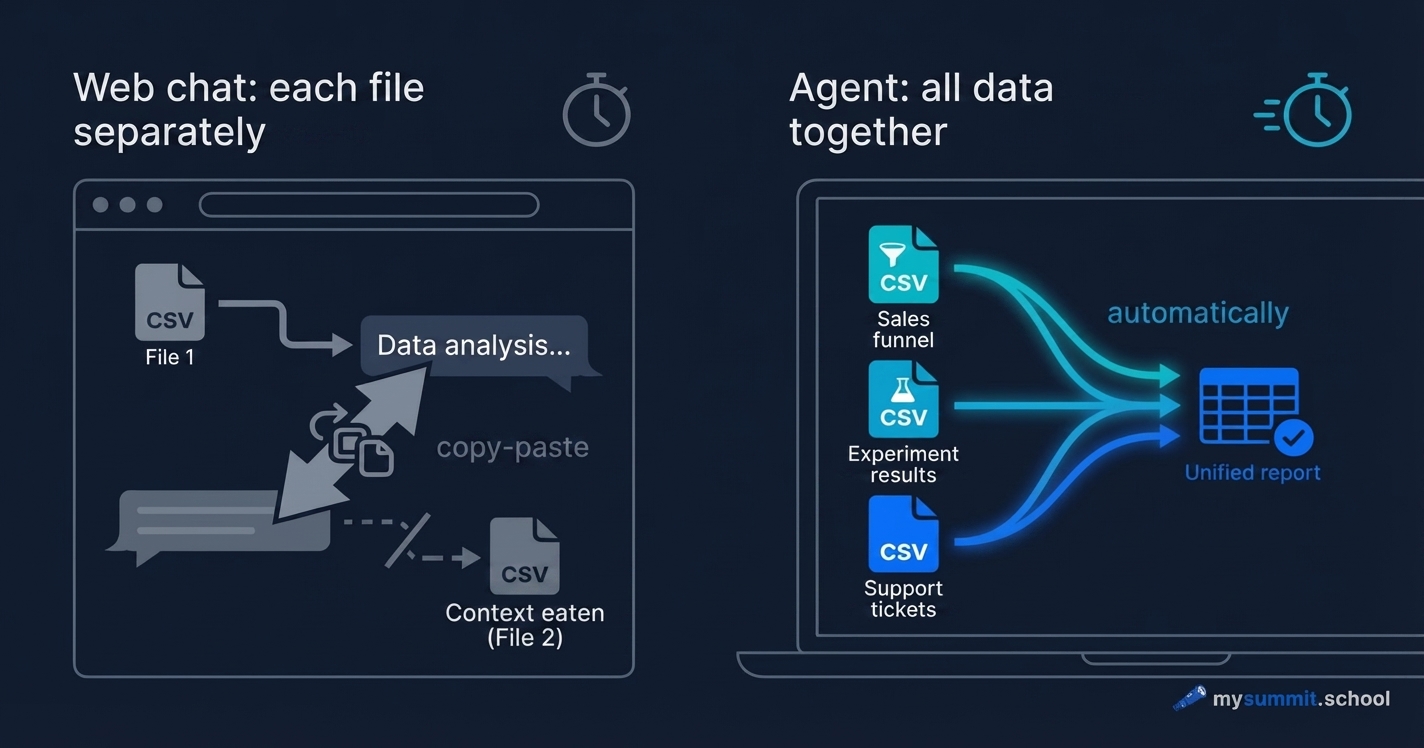
You have three data files: an activation funnel, A/B test results, and support tickets. The task – figure out why onboarding is underperforming. You open ChatGPT, upload the first file, ask your question. You get an answer. You upload the second file. ChatGPT asks: “Can you remind me of the context?” You upload the third. The context of the first file has already been pushed out.

Forty minutes later you have three separate conversations, none of which answer the original question. Because the question was one, and the data was in three places.

This isn’t a ChatGPT problem. It’s a problem of approach.

Claude Code Costs $100/Month – OpenCode Does the Same Thing for Free
13 min

Claude Code Costs $100/Month – OpenCode Does the Same Thing for Free

In March 2026, Lenny Rachitsky published an article with a telling headline: “Everyone should be using Claude Code”. It went viral on LinkedIn and tech newsletters, picked up hundreds of thousands of views, and now every week a manager somewhere asks: how do I try this?

The answer is uncomfortable. The Anthropic Max subscription that unlocks Claude Code costs $100 per month. That’s $1,200 a year for a single tool – before you’ve even figured out whether it fits your workflow. And it locks you into a single vendor, a single model, and a pricing tier designed for power users, not for someone exploring whether AI agents are worth the investment.

There’s a direct alternative. OpenCode is an open-source project that does exactly the same thing, works with any model (including free ones), and takes 15 minutes to set up.